A Practical Guide to Latex in Bedding: Types, Benefits, and Care
Latex mattresses and components offer distinct contouring and durability. This beginner-friendly guide introduces common latex types, their pros and cons, and practical tips for care and longevity.
Introduction: Why latex matters in sleep comfort
Latex has earned a respected place in modern bedding for its combination of buoyant support and responsive feel. Unlike traditional polyurethane foams, natural latex comes from rubber tree sap and is processed to create a resilient, springy layer that can adapt to your body's curves. For many sleepers, latex offers a perceived balance of pressure relief and support, along with durability and breathability that help regulate sleeping temperatures.
In this guide, we’ll cover the three primary categories of latex used in bedding—natural latex, synthetic latex, and blended latex—plus practical tips for choosing, using, and caring for latex products. We’ll also demystify common myths and provide clear, beginner-friendly guidance so you can approach latex with confidence.
Understanding latex: natural, synthetic, and blended
Latex used in mattresses and toppers can be categorized by its source and formulation. Each type has distinct feels, durability, and environmental considerations:
Natural latex: Derived from the sap of rubber trees (often called Dunlop or Talalay processing). It’s celebrated for its buoyant, responsive feel, excellent durability, and generally superior breathability compared to many foams. Look for certifications like GOLS (Global Organic Latex Standard) or other credible sustainability marks when evaluating natural latex products.
Synthetic latex: Made from petroleum-based polymers, synthetic latex can offer different pricing and feel characteristics. It may not be as durable as natural latex and can have varying performance depending on formulation.
Blended latex: A mix of natural and synthetic latex designed to balance cost, feel, and durability. The feel can vary widely based on the blend ratio, so testing a product’s firmness and responsiveness is especially important.
Feel profiles: what latex feels like on the bed
Latex feels distinct from memory foam and traditional innerspring constructions. Here are common feel profiles you’ll encounter:
Buoyant and springy: Natural latex often has a lively, bounce-like feel that responds quickly to movement. This can be ideal for combination sleepers who switch positions at night.
Contour with less hug: Latex can provide targeted pressure relief without the deep, slow sinking that some foams exhibit. This allows you to maintain spinal alignment while still feeling supported.
Cooler surface: Many latex products promote airflow through their porous structure, which can contribute to a cooler sleep surface—especially with open-cell constructions or aerated latex layers.
Choosing latex: firmness, layers, and composition
When selecting latex, consider firmness range, layering, and the overall architecture of the bed. Here are practical guidelines to help you decide:
Firmness: If you sleep on your back or stomach, you might prefer a firmer feel to keep the hips aligned. For side sleepers, a medium to medium-soft feel can offer better shoulder and hip pressure relief while still supporting the spine.
Layering strategy: A latex pillow or topper often uses one or more latex comfort layers over a base support layer. A layered approach allows you to customize feel by swapping or adjusting layers as needed.
Source and certifications: Prioritize products with transparent sourcing and credible certifications. If natural latex is important to you for environmental or health reasons, seek trusted third-party certifications and company disclosures about processing methods.
Care and longevity: keeping latex in peak condition
With proper care, latex components can maintain their feel and resilience for many years. Here are practical maintenance tips:
Avoid excessive moisture: Latex is naturally breathable, but excess moisture can lead to odor or mold. Use breathable covers and air the bed regularly to prevent dampness.
Rotate and flip cautiously: If your latex layer is part of a multi-layer system, follow the manufacturer’s guidance on rotation. Some latex layers are designed for directional use, while toppers may benefit from occasional rotation to promote even wear.
Clean with gentle methods: For minor spills, blot and use a mild, latex-safe cleaner if recommended by the manufacturer. Avoid harsh chemicals that may degrade the latex over time.
Ventilation and off-gassing: Natural latex may have a light odor when new. This off-gassing typically diminishes with time and ventilation. If you’re sensitive to odors, choose products with strong certifications and consider a brief airing period before first use.
Common myths versus facts about latex bedding
Let’s separate myths from facts so you can make an informed choice without marketing hype:
Myth: Latex is always expensive. Fact: There are natural and blended latex options across a broad price range. It’s possible to find latex products that fit within many budgets, especially when considering toppers or layered designs.
Myth: Latex is always hypoallergenic. Fact: Natural latex can be hypoallergenic for many people, but some individuals with latex allergies may react to the proteins in natural latex. Always verify materials and consult healthcare guidance if you have sensitivities.
Myth: Latex will feel identical regardless of brand. Fact: Feel and durability can vary based on processing (Dunlop vs. Talalay), layer composition, and the blend of natural versus synthetic materials. Testing and certifications matter.
Practical guidance: how to test latex before buying
If you’re shopping in a showroom or testing online, use a structured approach to evaluate latex products:
Ask about the processing method: Talalay tends to be softer and more uniform in feel, while Dunlop can feel denser and more buoyant. Understanding the process helps you gauge comfort and durability expectations.
Evaluate isolation of motion: If you sleep with a partner, test how the surface handles movement transfer. Latex should offer good contouring with minimal roll-together, but some layers may influence this depending on the overall construction.
Check for certification: Look for certifications that address organic content, safety standards, and environmental impact. Certifications help ensure you’re choosing a material with credible claims.
Product spotlight: a real-world option that aligns with latex education
If you’re interested in a latex-related bedding component that emphasizes comfort, durability, and thoughtful design, consider a latex-focused topper or layer within a layered system. While the specific product catalog on this page includes a broad range of bedding components, a latex-based topper or a layered latex assembly can complement mattress purchases by providing targeted pressure relief and enhanced resilience. When evaluating such options, prioritize materials and construction details over promises, and verify fit with your existing bed framework.
Careful conclusions for latex bedding education
Latex can be a strong candidate for sleepers seeking a responsive, breathable, and durable sleep surface. By understanding the distinctions among natural, synthetic, and blended latex, you can navigate the market with a clearer sense of what you value most—whether it’s environmental considerations, price, feel, or longevity.
This guide emphasizes beginner-friendly language and practical steps so you can approach latex confidently. As with any major sleep investment, take your time testing products, read certifications, and weigh your personal comfort preferences against the promises of manufacturers. With the right choices, latex can deliver a sleep experience that feels tailor-made for you.
References and further reading
For readers who want to dive deeper into sleep science, mattress materials, and reputable sources, consider consulting independent sleep foundations and consumer education resources. When evaluating products, prioritize transparency, independent testing, and consistent messaging about material origins and safety.
Related products on this site
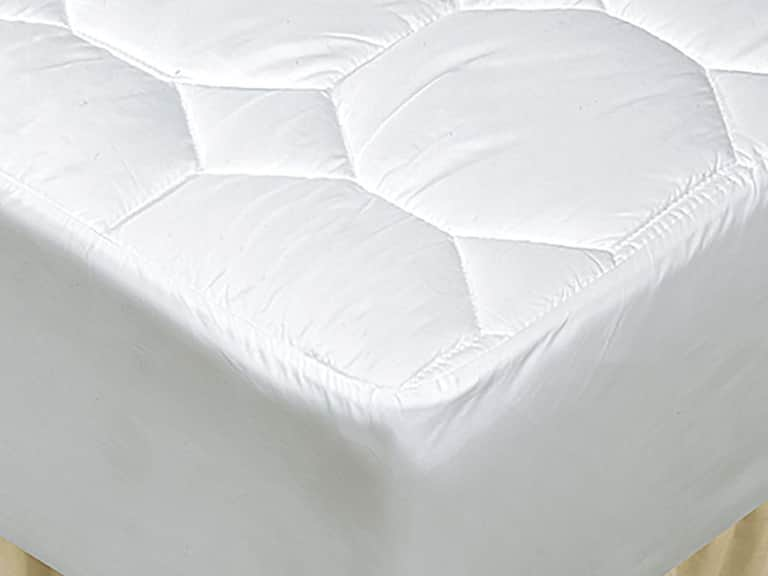
DownTown Company Luxury Cotton Mattress Pad — A breathable, washable protector that complements latex layers with a soft, cotton comfort layer. Link: Downtown Company Luxury Cotton Mattress Pad.
Note: Product details are provided for contextual alignment with the bedding ecosystem and reflect real items available on the site.
Experience breathable, softly cushioned comfort with a secure, smooth fit that stays put all night, plus easy care—machine washable. Luxurious cotton fill and elegant quilting create timeless, fresh nights from Austria to you.
Sleep confidently on a healthy, organic mattress that’s lightweight, easy to clean, and seamless—protecting against mold and spills while providing firm, lasting support for baby and toddler.
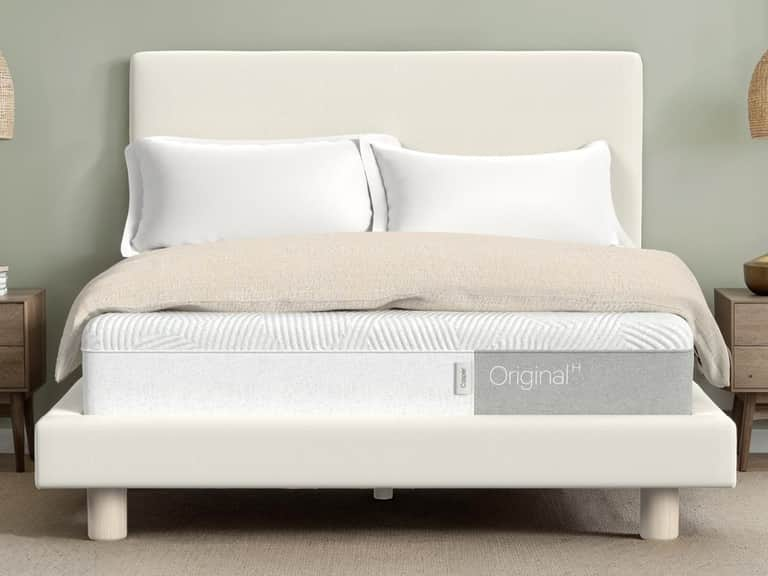
Experience cooler, cradling support that adapts to you. Casper Signature Foam boosts airflow for a breezy sleep, while Zoned Support aligns your spine in targeted zones for uninterrupted comfort across the night. Hybrid design for lasting comfort.