Sleep 201 · Nursery Basics
Naturepedic in the Nursery: A Guide to Organic Crib Sleep Surfaces
A crib mattress is one of the nursery’s most important practical choices. Start with the essentials: a firm, flat surface, a snug fit in the crib, and clear instructions for care. If organic materials matter to your family, learn what labels and certifications can—and cannot—tell you as you compare options such as Naturepedic.
Published October 9, 2026
Preparing for a baby often means weighing a long list of decisions, from paint colors and tiny clothes to the details that are less charming but more consequential. The crib mattress belongs in the latter category. It is not simply a soft furnishing or a finishing touch for a carefully planned room: it is the sleep surface your baby will use, and its fit, firmness, construction, and care instructions deserve close attention.
Organic crib mattresses add another layer to the decision. Families may be drawn to certified fibers, reduced use of particular materials, or greater transparency about what goes into a product. Those preferences can be part of a thoughtful purchase, but the word “organic” does not replace basic safe-sleep considerations. A mattress should fit the crib correctly and provide the firm, flat foundation recommended by trusted health authorities. A beautiful material story matters only after those essentials are satisfied.
This beginner-friendly guide walks through the questions to ask when evaluating organic crib sleep surfaces, including Naturepedic options. It is an educational starting point, not a substitute for a pediatrician’s guidance or the current recommendations of public-health authorities. Product specifications and certifications can change, so confirm details with the manufacturer and the applicable certification organization before buying.
Begin with the sleep-safety basics
Before comparing cotton, waterproofing, or mattress weight, establish the foundation. For an infant, the sleep surface should be firm and flat, and the mattress should be designed for the particular crib in use. The American Academy of Pediatrics advises placing babies on their backs for every sleep, using a firm, flat, non-inclined surface that meets applicable safety standards, and keeping the sleep space free of soft objects and loose bedding.
In everyday terms, the crib should contain a correctly fitted mattress and a tight-fitting sheet. Pillows, quilts, comforters, stuffed toys, positioners, and padded additions do not belong in an infant’s sleep space. A mattress topper or extra cushion may change the surface in ways that are not appropriate for infant sleep, even if it is marketed as comfortable or protective. Follow the crib and mattress manuals, and do not modify the product or add layers that the manufacturer does not approve.
It is also useful to distinguish infant sleep guidance from the features families may value in other bedding. Adult preferences for plushness, contouring, or a pillow-top feel do not translate to a crib mattress. Firmness is not a subjective luxury feature here; it is an important part of choosing an appropriate infant sleep surface. When a product is described as having two stages, read exactly how each side is intended to be used and verify that the infant side is the firm surface specified for the child’s age and stage.
What “organic” can tell you—and what it cannot
“Organic” is a useful starting word, but it is not a complete description of a crib mattress. It may refer to one material, such as cotton, rather than every component in the finished product. A label may apply to a textile, a processing chain, or a particular ingredient, and the scope of the claim matters. Look for precise language that identifies which materials are certified and which certification or standard is being referenced.
For example, a textile certification can offer information about how a fiber was grown, processed, or handled according to the standard’s requirements. It does not automatically certify every layer, coating, seam, or accessory in the mattress. Nor does an organic claim by itself establish that a product is more supportive, fits a particular crib, or is appropriate for an infant’s sleep. Those are separate questions that require separate evidence.
Families can ask the manufacturer for a complete materials description, including the cover, filling or support structure, waterproof layer, adhesives if used, and any fire barrier. Ask whether claims apply to the whole product or only named components. If a company cites a certification, check the certifier’s current directory or documentation rather than relying only on a logo in a product listing. Certifications can be meaningful tools for understanding standards, but they should be read within their stated scope.
It is equally important to avoid assuming that “natural,” “non-toxic,” or “chemical-free” has a single universal meaning. These phrases can be used in different ways and do not necessarily identify a regulated certification. A clear, specific disclosure is more useful than a broad reassurance. If a claim is vague, ask what it means, which materials it covers, and where the supporting information can be reviewed.
- Identify the exact material described as organic.
- Check the name and scope of any certification.
- Ask for details about components not covered by that certification.
- Separate material preferences from fit, firmness, and safe-sleep requirements.
Understanding the Naturepedic option
One available example is the Naturepedic Lightweight Organic Cotton Crib Mattress. Its product information describes organic cotton construction, a waterproof surface, and a lightweight design intended to make bedding changes easier. The listing also describes a food-grade polyethylene waterproof surface and a fire-protection system. These details offer useful questions to investigate, rather than a reason to skip the usual checks.
Start by confirming the specific model and version. The product listing refers to several configurations, including a lightweight mattress and a two-stage option. Names and specifications may be updated, and different models may have different weights, dimensions, and construction. Do not assume that a detail listed for one version applies to another. Ask the retailer or manufacturer to verify the exact model number, dimensions, materials, and instructions for the item you are considering.
Next, look closely at the manufacturer’s fit specifications. The listing gives approximate dimensions of 27¼ by 51⅝ by 6 inches for a standard-size crib mattress, but a label such as “standard” is not a substitute for checking your own crib’s manual and the mattress’s current specifications. Cribs and mattresses must be compatible, and a correct fit should be verified in the assembled crib according to the instructions. Never rely on a general size description alone if the crib has unusual dimensions or is an older model.
The listing describes the product as lightweight, with one configuration listed at about 10 pounds and a two-stage version at about 11 pounds. A lighter mattress can make routine sheet changes more manageable, particularly for caregivers who lift it frequently. Weight is a convenience consideration, though—not a measure of safety or material quality. Confirm the weight for the precise model and consider whether the mattress remains easy to handle while being properly supported by the crib.
Waterproof construction may also simplify cleanup. Ask how the surface should be cleaned, whether the waterproof layer requires particular care, and what products should be avoided. A water-resistant or waterproof feature does not mean that the sleep space can be left damp or that every kind of cleaning product is suitable. Follow the care label and let the surface dry as directed before making the crib again.
Firmness, support, and two-stage designs
Crib mattress descriptions sometimes use language such as “firm,” “supportive,” or “two-stage.” Rather than treating those words as interchangeable, ask what they mean for the actual construction and intended use. The infant surface should be firm and flat in line with current safe-sleep advice. A mattress should not sag, dip, or develop soft areas during use, and it should be used only as directed by its manufacturer.
A two-stage design typically presents different sides for different developmental stages, but the details are product-specific. The Naturepedic listing describes a two-stage model with a firmer baby side and a more cushioned toddler side. Before relying on that description, confirm which side is intended for an infant, how the mattress should be oriented, and when—if ever—the manufacturer recommends turning it. Follow the product manual and your child’s health professional’s guidance rather than making the change based only on age or a general marketing phrase.
Do not add a topper or improvised layer to alter firmness or make a mattress feel more comfortable. Any change to the sleep surface can affect the fit and firmness that the product was designed to provide. If the mattress seems damaged, uneven, or incompatible with the crib, stop using it and contact the manufacturer or retailer for advice. For questions about a baby’s sleep setup, a pediatric clinician can help interpret current recommendations.
Fit: the detail that deserves a second look
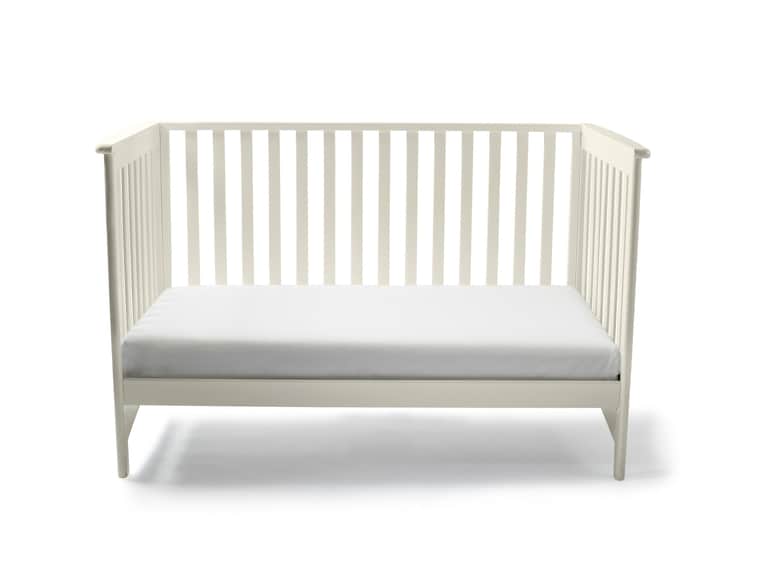
A mattress can have appealing materials and thoughtful construction yet still be the wrong choice if it does not fit the crib. Check the crib manufacturer’s permitted mattress dimensions and the mattress label. Read both instruction manuals, and make sure the product is intended for the exact crib type. A standard-size mattress is not automatically compatible with every crib, mini crib, portable crib, or other sleep product.
Once the crib is assembled according to its manual, place the mattress as directed and check that it lies flat and is supported properly. Follow the manufacturer’s specific fit test rather than relying on an informal rule of thumb. The mattress should not be forced into a space, bow at the edges, or leave a gap that concerns you. If there is uncertainty, contact the crib or mattress manufacturer before using the setup.
Check the mattress height and the crib’s adjustment instructions, too. As a baby grows and becomes more mobile, caregivers may need to adjust the crib’s mattress support to the position specified in the crib manual. That adjustment is about the crib’s configuration, not an invitation to add padding or alter the mattress. Keep all labels and manuals in an accessible place so the details remain easy to consult.
A practical checklist for comparing organic crib mattresses
Shopping can feel less overwhelming when the same questions are asked of every model. Use this checklist to compare a Naturepedic option with any other crib sleep surface without letting branding or a single feature dominate the decision.
- Fit: Does the mattress match the crib’s permitted dimensions and instructions?
- Sleep surface: Is it described as firm and flat for infant use, and is there clear documentation for the intended stage?
- Construction: What are the cover, support core, waterproof layer, and fire barrier made from?
- Organic claim: Which exact materials are certified, under what standard, and can the certification be independently verified?
- Model identity: Are the model name, number, dimensions, weight, and features consistent across the product label and current documentation?
- Care: How should routine spills or messes be cleaned, and what should never be used on the surface?
- Condition: Is the mattress new, undamaged, and accompanied by its current instructions and labels?
- Use: Is the product intended for this crib and this child’s current stage?
- Support: Does the manufacturer provide accessible information about safety standards, materials, and warranty terms?
This approach keeps the comparison grounded in verifiable details. It also makes it easier to identify a question that needs an answer before a purchase, rather than discovering a mismatch after the nursery is assembled.
Care and everyday use
A mattress is part of a larger sleep system, and simple care habits can help keep that system orderly. Use only a fitted sheet designed to fit the mattress securely. Follow the manufacturer’s directions for cleaning and drying, and avoid solvents, harsh chemicals, or accessories that are not approved for the product. If the mattress has a waterproof surface, check whether the instructions call for wiping, spot cleaning, or another specific method.
Inspect the mattress periodically for tears, broken seams, unusual odors, soft spots, sagging, or other signs of damage. A waterproof layer that is punctured or peeling may no longer perform as intended. If the product’s condition raises concern, consult the manufacturer rather than attempting a repair that could alter its surface or structure. Keep the sleep area uncluttered, and do not place loose blankets or soft objects in the crib for an infant.
Also review any product notices or recall information that may apply to the exact model. Keep the model number, purchase details, and instructions. These records can be helpful if you need to contact the manufacturer, check updated care guidance, or confirm whether a notice applies to your product.
Common questions from first-time caregivers
Does organic automatically mean safer?
Not by itself. Organic certifications can describe how specific materials are sourced or processed, but they do not replace safe-sleep guidance, correct fit, or the need to follow product instructions. Evaluate the whole product and verify what each claim covers.
Is a waterproof crib surface compatible with an organic-material preference?
That depends on the product’s construction and your priorities. A waterproof feature may use a material distinct from the mattress’s organic textile components. Ask for a component-by-component disclosure and clarify which materials, if any, are included in a certification.
Should I add a mattress pad or topper?
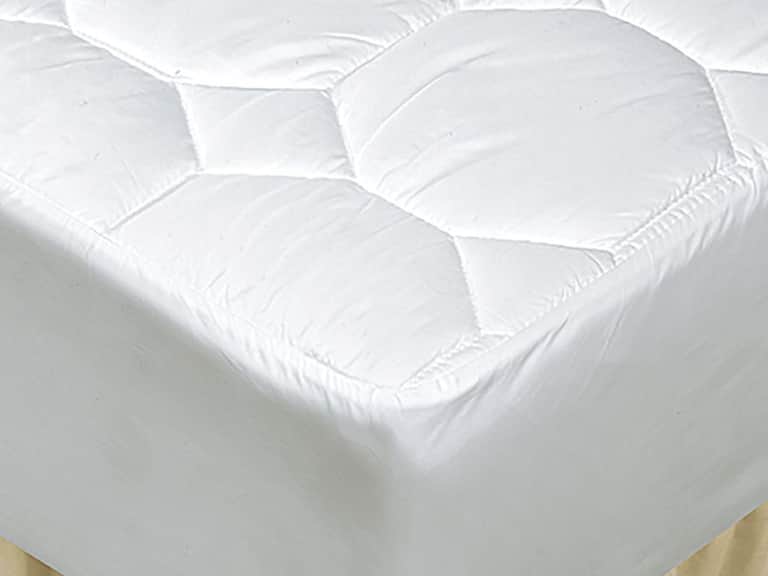
Do not add an extra layer to an infant sleep surface unless the crib and mattress manufacturers’ instructions and current safe-sleep guidance clearly permit it. Extra padding can affect firmness and fit. For a basic infant setup, use the mattress as directed with a tight-fitting sheet.
Can a toddler use the same mattress?
Some products are designed with more than one stage, but the appropriate use depends on the specific model and its instructions. Confirm the intended side and stage with the manufacturer, and follow guidance for the crib or bed being used.
What if the mattress dimensions seem slightly different from the crib opening?
Do not guess or force a fit. Recheck both manuals and contact the manufacturers if you are unsure. Use the mattress only when its compatibility with the crib is clear and its fit meets the product directions.
A calm, confident way to choose
The nursery does not need to be perfect to be thoughtfully prepared. When choosing an organic crib mattress, begin with the details that matter most: a firm, flat infant surface, a correct fit with the crib, and clear instructions for use. Then consider what organic materials and certifications mean for the particular product, how the mattress is constructed, and whether its care routine suits your household.
Naturepedic’s lightweight organic cotton crib mattress is one option families can investigate, with product information describing a lightweight build, a waterproof surface, and different configurations. Those details are worth verifying for the exact model under consideration. Read the current documentation, ask direct questions about materials and certification scope, and confirm fit before use. A short, careful review can turn a crowded list of product claims into a practical decision—one based on safety, transparency, and the needs of your family.