Exploring the Evolution of Mattress Design and Its Impact on Sleep Quality
In our fast-paced world, quality sleep is often sacrificed in the name of productivity. Yet, the importance of a good night's rest cannot be overstated. Throughout history, the evolution of mattress design has reflected changing societal needs and technological advancements, ultimately shaping the way we sleep. This article delves into the journey of mattress innovation, highlighting key individuals and products that have left a lasting impact on the industry.
The Historical Context of Mattress Design
The concept of mattresses dates back thousands of years, with early examples made from natural materials like straw or animal hides. In ancient Egypt, for example, wealthy individuals slept on elevated beds with luxurious linens, signaling the beginning of a trend toward comfort and quality in sleep surfaces. As time progressed, people began experimenting with various materials, from wool and cotton to more modern synthetics, all in pursuit of the perfect sleep experience.
Key Figures in Mattress Innovation
1. Charles Goodyear: The Birth of the Modern Mattress
In the 19th century, Charles Goodyear revolutionized mattress design with his invention of vulcanized rubber. This process improved the durability and comfort of mattresses, allowing for the creation of more sophisticated designs. The use of rubber in mattress production paved the way for innovations that emphasized support and pressure relief, crucial for a good night's sleep.
2. Simmons Bedding Company: The Pocket Spring Revolution
Founded in 1870, Simmons Bedding Company introduced the pocket spring mattress, which featured independent coil systems that provided personalized support. This innovation was a game-changer in the industry, allowing couples to sleep without disturbing each other. The pocket spring design set a new standard for comfort, and Simmons became synonymous with quality sleep products.
3. Tempur-Pedic: The Rise of Memory Foam
In the 1990s, Tempur-Pedic popularized memory foam mattresses, originally developed by NASA to improve seat cushioning for astronauts. This technology offered unparalleled support and pressure relief by conforming to the body's shape. Tempur-Pedic's success marked a significant shift in consumer preferences, as individuals sought out mattresses that catered to their unique sleep needs.
The Modern Mattress: A Blend of Tradition and Technology
Today's mattresses are a culmination of centuries of innovation, blending traditional materials with cutting-edge technology. The introduction of organic and natural materials has become increasingly important, as consumers become more aware of the environmental impact of their choices. Brands like Naturepedic and Royal-Pedic have emerged, focusing on eco-friendly materials that promote better sleep without compromising comfort.
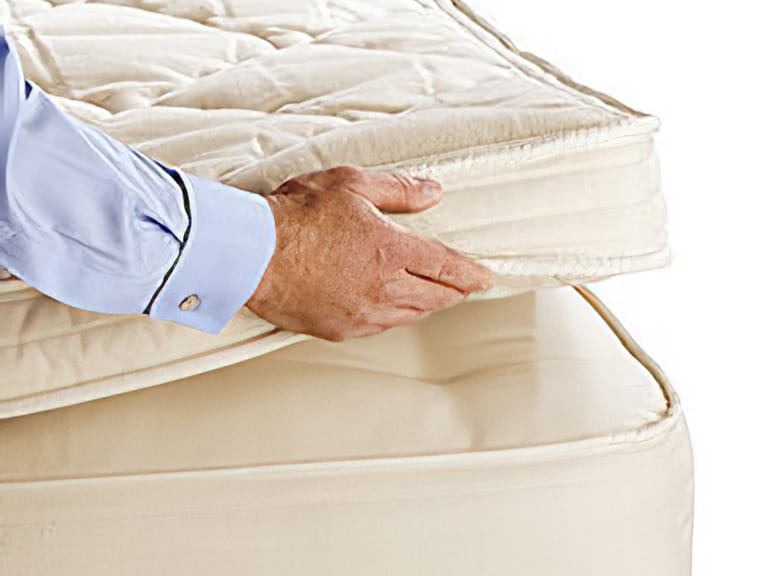
Spotlight Product: Royal-Pedic Natural Latex 4" Pillowtop Pad
Among the latest offerings is the Royal-Pedic Natural Latex 4" Pillowtop Pad. This luxurious product provides extra cushioning and pressure point relief, making it an exquisite addition to any mattress. Crafted with untreated French lamb's wool and a layer of natural latex encased in 100% long-staple cotton, this pillowtop pad represents the pinnacle of modern mattress design.
The Importance of Sleep Health
As the understanding of sleep health grows, so does the demand for mattresses that cater to individual needs. Research indicates that the quality of one's mattress significantly impacts overall health, affecting everything from sleep duration to mental well-being. Brands are now prioritizing ergonomics and health benefits, offering products that not only promise comfort but also support a healthier lifestyle.
Conclusion: The Future of Sleep Technology
Looking ahead, the mattress industry is poised for further innovations, with a focus on sustainability, personalized sleep solutions, and enhanced materials technology. As consumers continue to seek out products that align with their values and health needs, the evolution of mattress design will undoubtedly play a crucial role in shaping the future of sleep. From the humble beginnings of straw beds to the luxurious options available today, one thing remains clear: quality sleep is an investment worth making.